

If you’re dealing with back pain, whether it’s due to sciatica or some other cause, you’re not alone. According to the U.S. National Library of Medicine, back pain is so common that 8 out of 10 people will deal with it during their lifetime. Dealing with back pain can be a challenge because it requires a special approach if you want long-term results. Physical therapy is your most powerful weapon against back pain and sciatica because it gives genuine relief and lasting results. Contact our physical therapist today to get the low back pain and sciatica relief you need.
What is Sciatica?
Sciatica is a condition in which the sciatic nerve — the longest nerve in the human body — is damaged in some way, typically through severe compression or inflammation. Your sciatic nerve starts in your lower back and travels all the way down each of your legs, and when you have sciatica the pain may follow this same route. The main symptom of sciatica is low back pain, but you may also have other symptoms such as numbness and tingling that may travel all the way down to your feet.
Causes of Sciatica
The nerve damage that causes sciatica can happen in several different ways. One common cause of sciatica is a herniated disc, also known as a slipped disc. Disc herniation happens when one of your discs outer starts to bulge. As the disc bulges, it pressures your sciatic nerve, and this may cause sciatica symptoms like low back pain. While a herniated disc is the most common cause of sciatica, there are other potential causes as well.
These can include:
- Spinal Stenosis: when your spinal cord narrows and compresses the sciatic nerve.
- Spondylolisthesis: when one of your lower back vertebrae slips out of place, often putting pressure on another vertebra and trapping the sciatic nerve.
- Degenerative Disc Disease (DDD): this is more likely to happen as the body ages. When the discs begin to wear down, they start thinning and can cause disc, vertebrae, and sciatic nerve issues including sciatica.
- Osteoarthritis/Degenerative Joint Disease (DJD): when you have osteoarthritis, your spinal joints are highly inflamed. This causes so much swelling that it can impact the sciatic nerve, causing sciatica.
-
I can’t say enough good things about Forward motion Physical Therapy. Hanna is an amazing physical therapist. She is knowledgeable, compassionate, and truly invested in her patients’ progress. She takes the time to listen and explain everything. She’s … More a great teacher.
I’m a fairly complex case, and Hanna has been incredibly thoughtful in her approach. In just two weeks, I’ve already made so much progress, and I truly believe that’s a reflection of her expertise, encouragement, and dedication. She makes every session positive and motivating, and I ALWAYS leave feeling more confident about my recovery.
I also had the opportunity to see Victoria for one of my sessions, and she was wonderful as well! It’s clear that the entire team is committed to providing excellent care. All of the physical therapy aides and assistants are incredibly kind, helpful, and knowledgeable, and they help create a welcoming and supportive environment. 🤍
My experience at Forward motion Physical Therapy has been outstanding, and I highly recommend Hanna and the entire team to anyone looking for exceptional physical therapy care. I wish I would have found them sooner! 🙏🏻


How Physical Therapy Helps Sciatica and Low Back Pain
Research has repeatedly proven that physical therapy is highly effective for sciatica and back pain relief. Even the Centers for Disease Control and Prevention has recommended physical therapy for non-invasive pain relief. Physical therapy is the most powerful way to fight sciatica and low back pain for one simple reason: it focuses on actually dealing with — and eliminating — the pain at its source. In contrast, taking medications like pain relievers only give you short-term symptom relief. After a few hours, you’ll need more medication and your symptoms will remain. After physical therapy, your back pain and sciatica symptoms will actually be resolved for the long term.
Your physical therapist will perform a complete assessment to determine the origin of your pain and will then customize a plan for back pain and sciatica relief. Your treatment focuses on relieving the pressure on your sciatic nerve, healing damaged tissue and alleviating inflammation. You’ll also grow stronger, improve your range of motion, and take steps to decrease the odds of re-injury in the future.
Some of the treatments used for sciatica and low back pain include:
- Joint and tissue mobilizations and manipulations
- Therapeutic massage
- Active Release Technique (ART)
- Instrument Assisted Soft Tissue Mobilization- Graston Technique
- Spinal traction
- Control exercises
- Cold IV laser therapy
- Electrical muscle stimulation
- Heat therapy
- Cold (ice) therapy
- Dry needling
- Prescribed strengthening exercises
The non-invasive physical therapy techniques used by our team are specially chosen for two reasons: for your specific needs and their high effectiveness rates. Your physical therapist will use the best in evidence-based treatments to help you beat sciatica pain, both now and for the long term. Contact us anytime to start your journey to be free of back pain and sciatica!
Laminectomy
A laminectomy is typically performed when back or neck pain interferes with day-to-day life. During the laminectomy, the surgeon will remove part or all of the vertebrae bone. Doing this will help ease the pressure on the nerve roots or spinal cord that might be caused by a herniated disc, spinal stenosis, injury, or tumors. This surgery is only considered when all conservative treatments have not helped relieve the pain. After you have the surgery, it’s important to keep the incision site clean and dry. It is also important to take prescribed pain relievers and not to drive, arch your back, and bend over until you get the okay from your doctor. Complete recovery can take 4-6 weeks or a few months, depending on how intense your surgery was. Physical therapy is needed during recovery to help regain strength and promote healing.
Discectomy
A Discectomy is a surgery that is performed to remove any herniated disc material in the lower back that is pressing on the spinal cord or nerve root. The incision is minimal, and the surgeon will carefully remove the damaged portion of your herniated disc. This surgery is performed as a last resort if conservative treatments such as NSAIDs, injections, and physical therapy aren’t working. The recovery time for this procedure is anywhere from 4-8 weeks. Physical therapy will be needed to help aid in recovery to regain strength and mobility.
Spinal Fusion
Spinal fusion surgery is considered a final option type of procedure when non-operative procedures such as physical therapy, pain relievers, and injections haven’t helped with the pain. During spinal fusion surgery, the surgeon will fuse two or more vertebrae together to eliminate any movement from happening between them. Spinal fusion will relieve pain that is caused due to the vertebrae rubbing together and slipping out of place. Some conditions that spinal fusion surgery helps treat are Spondylolisthesis, Degenerative Disc Disease, spine fractures, and certain deformities in the spine (ex: scoliosis). A full recovery time from spinal fusion surgery can take up to six months, and in that time, physical therapy will be needed to help regain strength and range of motion. During physical therapy, you will regain cardiovascular strength and work on strengthening your core. During the recovery process, you won’t be able to lift anything heavier than 15-20 pounds, but you will have no restrictions on what you can do after you are fully recovered
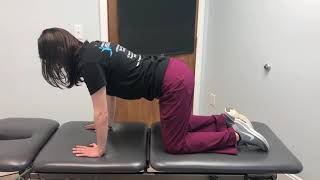
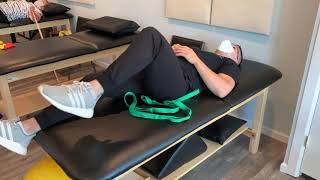
Back Exercises
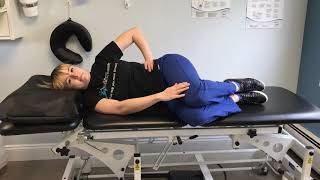
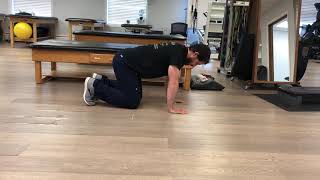
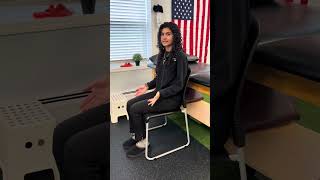
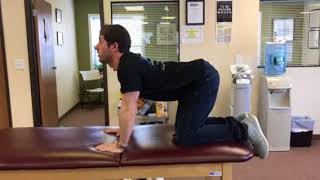
Stenosis Exercises
Enter your information and sign up for a free screen today!
Free screens are 15 minute assessment to see if you are a candidate for physical therapy.