

Your neck is one of the most complex bundles of bones, nerves, and muscles in your entire body. In fact, your neck is the site of a series of nerves that control every facial and head movement you make as well as all sensation below your shoulders. It’s no wonder why neck pain and any resulting headaches are cause for concern, especially when you cannot immediately identify their cause. Whether your neck pain is chronic or acute, sharp or dull, caused by injury or originating from an unknown cause, one fact remains. It cannot be ignored. To begin uncovering the source of your pain and addressing its resolution, contact our office today.
What Causes Pain in The Neck?
Your head is connected to your spine through a series of nerves and muscles and two tiny bones called the atlas and axis. The way these bones move together determines your head’s ability to move up and down or side to side. Tendons and ligaments add stability to your neck while muscles alternately tense and relax to allow for it to move. Tension, injury, poor posture or stress can cause pain to develop in your neck. The most important step to treating your pain with physical therapy is to identify its cause.
The most common origins for shoulder pain include:
- Whiplash, as from a car accident or similar injury
- Poor posture
- Repeated motion
- Tension build-up
- Torticollis
- Back injury
-
I can’t say enough good things about Forward motion Physical Therapy. Hanna is an amazing physical therapist. She is knowledgeable, compassionate, and truly invested in her patients’ progress. She takes the time to listen and explain everything. She’s … More a great teacher.
I’m a fairly complex case, and Hanna has been incredibly thoughtful in her approach. In just two weeks, I’ve already made so much progress, and I truly believe that’s a reflection of her expertise, encouragement, and dedication. She makes every session positive and motivating, and I ALWAYS leave feeling more confident about my recovery.
I also had the opportunity to see Victoria for one of my sessions, and she was wonderful as well! It’s clear that the entire team is committed to providing excellent care. All of the physical therapy aides and assistants are incredibly kind, helpful, and knowledgeable, and they help create a welcoming and supportive environment. 🤍
My experience at Forward motion Physical Therapy has been outstanding, and I highly recommend Hanna and the entire team to anyone looking for exceptional physical therapy care. I wish I would have found them sooner! 🙏🏻


How Physical Therapy Helps Neck Pain and Headaches
Most of the time, your first thought for treating a headache or pain in your neck isn’t physical therapy. You may first try pain-relieving medications, massage, or even changing the way you sit or work. However, chronic headaches are often an indicator of a much bigger problem than what you can fix on your own.
A physical therapist is a musculoskeletal expert that has an arsenal of weapons to help you address neck pain and headaches. Through targeted exercise, a physical therapist can help you improve your strength and flexibility. In many cases, these exercises are more effective at treating neck pain than prescription pain medication.
Physical therapy typically includes hands-on treatment to reduce tension in the muscles in your neck and relieve aches and pains. A good physical therapist will feel how the bones in your neck are moving and mobilize where you are stuck. Treatment also may include trigger point therapy or dry needling, massage, cranio-sacral therapy, Class IV laser therapy to ease your pain along with others. As the pain reduces, control exercises are given to maintain the motion you have achieved. The key is to control the motion and increase your necks physical capacity to tolerate the stress you place on it with your everyday activities.
No one needs to suffer from neck pain long term. Whether you have acute or chronic headaches or dull or sharp neck pain, now is the time to have it addressed. The sooner you see a physical therapist, the sooner you can start on the road to recovery. Don’t let neck pain stop you from enjoying another day of your life. Contact us for an appointment or visit our center at 1111 Clifton Avenue Clifton, NJ.
Neck Pain: Anterior Cervical Discectomy with Fusion
Cervical Discectomy with fusion is surgery with two parts. A damaged disc is removed from between two vertebrae during the first part to help alleviate nerve root pressure and relieve spinal cord pain. Then during the second part of the surgery (done simultaneously as the discectomy), the fusion part is done. During the fusion, a bone graft or implant where the disc was to help stabilize the area and then fused. This surgery is commonly done on people with symptomatic cervical herniated discs and those who have cervical degenerative disc disease. It can also be performed on people who have developed bone spurs due to arthritis. The recovery time varies from person to person, and there are common symptoms that happen after surgery. Some common symptoms that occur immediately after surgery are: having trouble swallowing, a hoarse or weak voice, and constipation. These symptoms typically resolve themselves within a month. Generally, the recovery time is anywhere from 4 weeks to 6 weeks. After the surgery, you will have a limited range of motion and need to be cautious about moving your head too quickly. In some cases, for approximately six weeks after your surgery, you will be put in a hard collar to prevent you from moving. Then, for another six weeks, you may be put in a soft collar that stabilizes your neck but allows for some mobility. Physical therapy will be needed to help relieve pain & inflammation and strengthen and stabilize the neck and back.
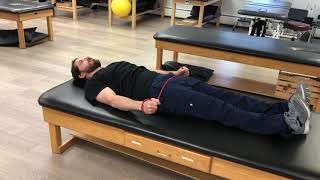
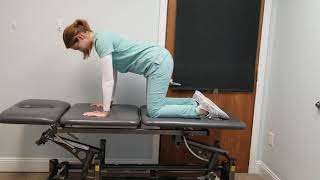
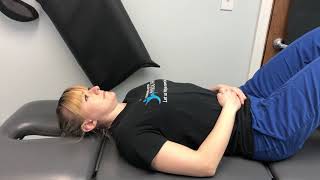
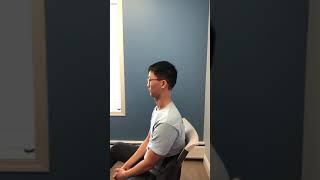
Neck Exercises
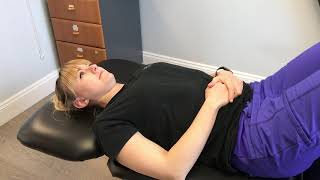
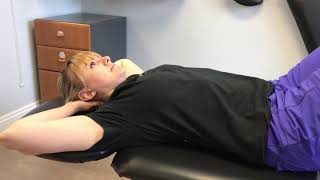
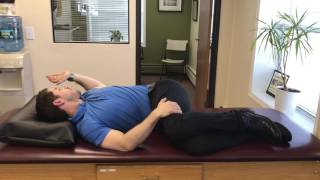

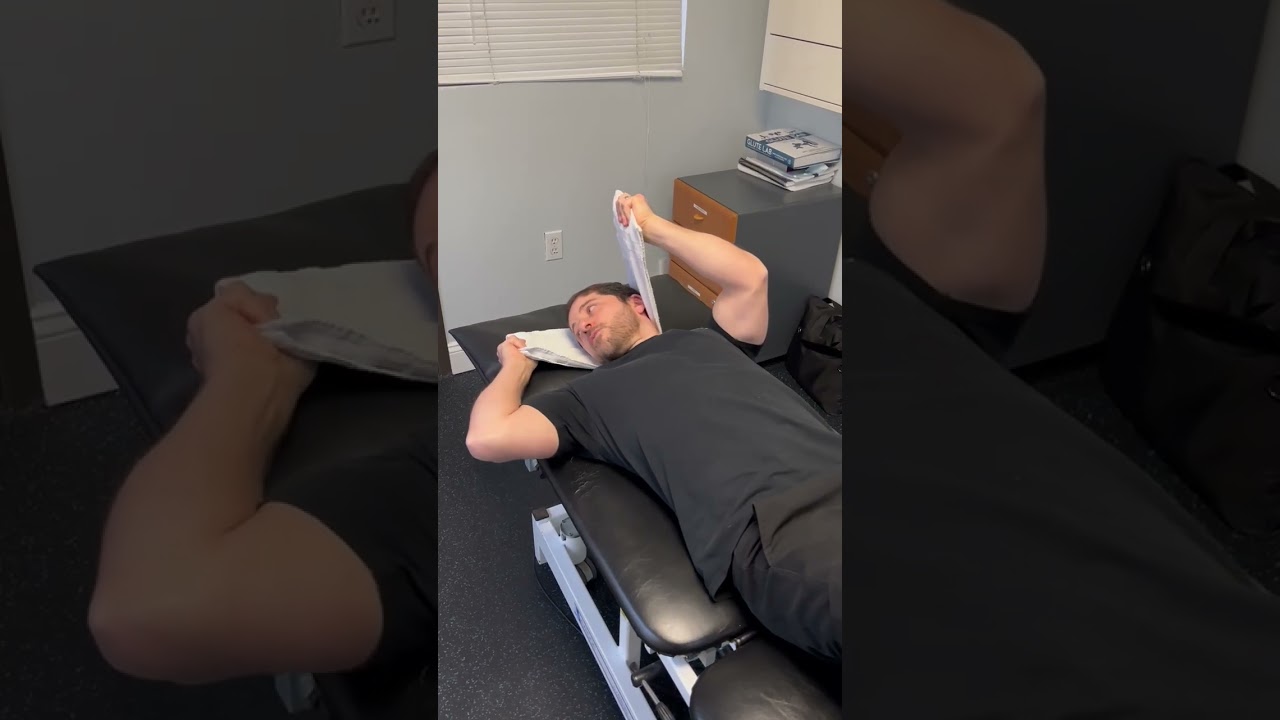
Headache Exercises
Enter your information and sign up for a free screen today!
Free screens are 15 minute assessment to see if you are a candidate for physical therapy.