

What is Shoulder Pain?
According to the National Institutes of Health, shoulder pain is the result of soft tissue breakdown within your shoulders. This can include problems with your ligaments, joints, tendons, muscles, and all other tissues in the shoulder area. Shoulder pain can happen in a variety of ways.
The most common origins for shoulder pain include:
- Frozen shoulder: frozen shoulder, as the name implies, means that you can’t move your shoulder without pain — it’s essentially frozen into place. Frozen shoulder pain tends to be very persistent and may cause a constant ache.
- Dislocated shoulder: when you have a dislocated shoulder, your shoulder socket actually separates from the ball of your arm. This often happens in sports accidents or falls.
- Rotator cuff damage: if your rotator cuff is damaged, you’ll have severe pain throughout your shoulder. Rotator cuff injury can include muscle tears, bursitis, tendinitis, and other injuries.
- Arthritis: arthritis affects your joints, and the shoulder joints are often quite vulnerable to arthritis pain. If you suffer from arthritis, you may have near-constant dull pain.
Causes of Shoulder Pain
Shoulder pain can happen for a number of different reasons. If you suffer from a chronic illness like arthritis, your shoulder pain may develop slowly and then worsen over time. This is the result of joint damage within your shoulder.
In other cases, a shoulder injury isn’t connected to chronic illness but is instead the result of a regular shoulder strain. For example, if you play a sport like a basketball, in which you often raise your arms up, you may suffer a rotator cuff injury from the repeated motions.
Many shoulder injuries happen quite suddenly, while playing sports or by tripping and falling. If you’ve ever had an injury that required shoulder immobilization, you may be at higher risk for other shoulder problems such as frozen shoulder in the future.
No matter how your shoulder injury may have occurred, it’s not something that you have to live with. Physical therapy can be the non-invasive solution that allows you to move without shoulder pain and stiffness again.
-
I can’t say enough good things about Forward motion Physical Therapy. Hanna is an amazing physical therapist. She is knowledgeable, compassionate, and truly invested in her patients’ progress. She takes the time to listen and explain everything. She’s … More a great teacher.
I’m a fairly complex case, and Hanna has been incredibly thoughtful in her approach. In just two weeks, I’ve already made so much progress, and I truly believe that’s a reflection of her expertise, encouragement, and dedication. She makes every session positive and motivating, and I ALWAYS leave feeling more confident about my recovery.
I also had the opportunity to see Victoria for one of my sessions, and she was wonderful as well! It’s clear that the entire team is committed to providing excellent care. All of the physical therapy aides and assistants are incredibly kind, helpful, and knowledgeable, and they help create a welcoming and supportive environment. 🤍
My experience at Forward motion Physical Therapy has been outstanding, and I highly recommend Hanna and the entire team to anyone looking for exceptional physical therapy care. I wish I would have found them sooner! 🙏🏻


How Physical Therapy Can Help Shoulder Pain
Your physical therapist begins by doing a full evaluation of your current shoulder motion and use of your arm. This simple evaluation gives your physical therapist the information they need to customize a treatment plan that allows you to get back full mobility — and to get pain free as well.
Physical therapy focuses on reducing muscle spasms, decreasing painful inflammation, and speeding up the healing. To accomplish all of these things, a multi-method approach has proven to be most effective.
Your physical therapy treatment plan typically includes:
- Strengthening exercises completed at our facility under your physical therapist’s close supervision
- Customized exercises that you can do at home
- Joint and tissue mobilizations and manipulations
- Ice pack application to reduce pain and inflammation
- Ultrasound therapy to reduce swelling and encourage faster healing
- Electrical muscle stimulation to reduce pain and muscle spasms
- Cold IV laser therapy
- Dry needling
With the help of a customized physical therapy program, you have the best possible chance of achieving a full recovery from a shoulder injury — without having to undergo surgery. You’ll also be able to avoid taking potentially dangerous narcotics. Physical therapy focuses on the long-term healing of your shoulder injury — and it also relieves your pain in the short term!
Joint Replacement Surgery
Total shoulder replacement is a procedure meant to reduce pain and restore mobility in patients with end-stage shoulder arthritis or after a severe shoulder fracture. Shoulder replacement surgery relieves pain and helps restore motion, strength, and function of the shoulder. The total recovery time for this surgery is about six months to one year, depending on the severity of the surgery. Most patients can return to doing activities they love that they had previously avoided because of shoulder pain. After the procedure, physical therapy will be needed to help you regain strength and promote healing in the shoulder(s) that the surgery was performed.
Tendon/Ligament Surgery
This type of surgery is usually called Arthroscopy and is used to visualize and treat problems inside the joint. During the surgery, the surgeon makes a small incision in the patient’s skin and uses an arthroscope device with a miniature camera attached to it so that the surgeon can see inside the shoulder without having to make a large incision. This is typically done for rotator cuff surgeries, shoulder impingement, or due to recurrent dislocation of the shoulder. The small puncture wounds from the procedure will heal within a few days, but if you’ve had surgery such as a rotator cuff repair, the healing time is typically six weeks. You will need to be in a sling for the entire duration it takes to heal to minimize the risk of injuring your shoulder or tearing your stitches. The recovery is different for everyone.
Shoulder Exercise
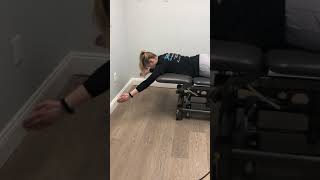
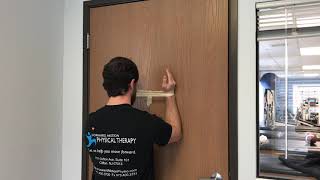
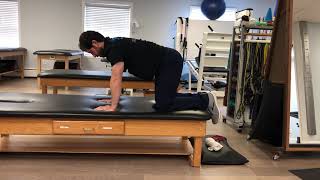
Rotator Cuff
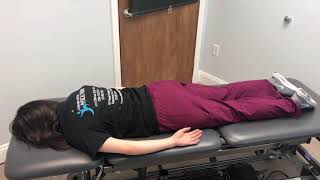
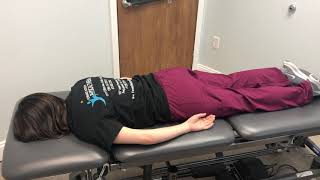
Shoulder Mobility
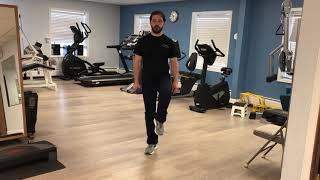
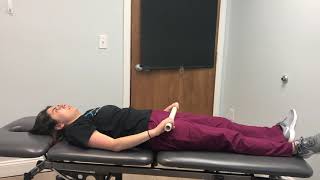
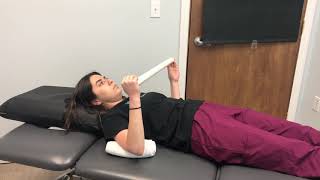
Enter your information and sign up for a free screen today!
Free screens are 15 minute assessment to see if you are a candidate for physical therapy.