

Hip and knee pain are quite common problems for many people today, especially among patients who suffer from chronic conditions like arthritis. If you suffer from hip or knee pain, you’re more likely to have other physical problems as well — mainly because you have a higher chance of falling. According to The Arthritis Foundation, knee pain sufferers have a 25% higher chance of falling than those without knee pain. This means that you need to seek help for a couple of reasons: both to alleviate your pain and to reduce the chances of injury. Contact our physical therapy team to get help today.
What Is Hip and Knee Pain?
Your knees and hips are both large weight-bearing joints — in fact, they’re some of the most important joints in your entire body. If you have hip pain, you might have mild, moderate, or even severe pain around your outer hip, in your upper thighs, or on the outer part of your buttocks. This pain can be erratic and is sometimes unpredictable. You may have pain mainly while exercising or it may be worse when you’re sitting down.
Knee pain, like hip pain, can be different for every person. It tends to be worst when in motion, but the pain often lingers even when you’re at rest. Knee pain is often accompanied by swelling, stiffness, and problems with straightening your leg out completely.
Hip and knee pain are usually separate, but many people who suffer from conditions like arthritis will experience both of these kinds of pain. While hip and knee pain can be very difficult and can even cause disability if not treated, there are effective treatments. Your physical therapist can help with this type of joint pain.
The Causes of Hip and Knee Pain
Many patients say that it seems odd to have joint pain in some of the body’s strongest joints, the hips. However, your hip joints are still prone to wearing with age or excessive usage and this can cause hip pain.
Another reason for hip pain is damage caused by a fall. Sometimes, even the smallest of fractures can lead to serious pain. Arthritis causes your hip joint lining to deteriorate, which can lead to serious pain. Bursitis is another common cause of hip pain. It happens when the cushioning sacs between your joints and connective tissues grow inflamed, typically due to repetition. With tendinitis, your hip tendons get inflamed and cause hip pain. It’s also typically a result of overuse. Lastly, hip labral tears are also commonly associated with hip pain which respond very well to physical therapy.
Knee pain, like hip pain, can happen due to wearing down of the knee joint over time. Knee fractures can be difficult to heal and are common causes of knee pain. Knee pain is often connected to ligament injuries.
In an anterior cruciate ligament injury, the knee is damaged due to sudden stops or directional changes like those in basketball. If you play a sport that requires frequent knee twisting, you may be at risk or meniscus injury. A meniscus injury is usually torn cartilage, and it can be quite painful. While it’s more common among athletes, a meniscus injury can happen to anyone.
-
I can’t say enough good things about Forward motion Physical Therapy. Hanna is an amazing physical therapist. She is knowledgeable, compassionate, and truly invested in her patients’ progress. She takes the time to listen and explain everything. She’s … More a great teacher.
I’m a fairly complex case, and Hanna has been incredibly thoughtful in her approach. In just two weeks, I’ve already made so much progress, and I truly believe that’s a reflection of her expertise, encouragement, and dedication. She makes every session positive and motivating, and I ALWAYS leave feeling more confident about my recovery.
I also had the opportunity to see Victoria for one of my sessions, and she was wonderful as well! It’s clear that the entire team is committed to providing excellent care. All of the physical therapy aides and assistants are incredibly kind, helpful, and knowledgeable, and they help create a welcoming and supportive environment. 🤍
My experience at Forward motion Physical Therapy has been outstanding, and I highly recommend Hanna and the entire team to anyone looking for exceptional physical therapy care. I wish I would have found them sooner! 🙏🏻


How Physical Therapy Can Help Hip and Knee Pain
Physical therapy is now widely accepted as one of the best healing options for patients who suffer from hip and knee pain. When you undergo physical therapy for hip pain or knee pain, you’re getting a customized program that focuses on not only pain relief but also on long-term healing.
Common treatments for hip and knee pain include Hands on Manual Therapy to improve joint mobility and decrease pain along with Class IV laser therapy. Corrective exercises such as hip strengthening exercises and control exercises are very important to improve the control of your hip and knee along with increasing the physical capacity of the tissue to tolerate the load we place on our joints with everyday activities
Physical therapy always focuses on doing recovery the right way, the non-invasive way, and the safe way. If you want to get rapid pain relief as well as actual healing, contact our facility today. We’re here to help you heal!
Knee Joint Replacement Surgery
Knee replacement surgery is usually performed on people who have osteoarthritis, rheumatoid arthritis, other bone diseases, or a fracture that hasn’t responded to conservative treatments such as NSAIDs, physical therapy, or injections. During the knee replacement, arthritic or damaged bones are removed from the knee joint and replaced with artificial parts. Two weeks post-surgery, your physical therapist will provide you with custom exercises tailored to you to help strengthen your muscles, regain strength and mobility. Generally, recovery from knee surgery can depend on person to person but can take 12 weeks to make a full recovery.
Hip Joint Replacement Surgery
A hip replacement is needed when conservative treatments can’t help arthritis or a hip fracture. Total hip replacement surgery aims to relieve pain, improve joint mobility, and improve a person’s ability to do activities like walking, standing, stair climbing, or running. During the surgery, the surgeon removes damaged bone and cartilage that may be causing hip pain and replaces the damaged hip with a prosthetic hip. Physical therapy typically begins a day or two after your procedure. Your PT will teach you how to put weight on your affected leg and provide you with exercises tailored to your needs. Physical therapy will help regain strength, mobility, and balance. On average, recovery time can take 2 to 4 weeks, but everybody is different in recovery times.
Meniscus Surgery
Meniscus surgery aims to remove or fix the torn cartilage between the bones in the knees. The meniscus is cartilage in the knee that cushions and absorbs shock, so it is an essential part of the knee. The surgery is performed with arthroscopic surgery and typically only takes about an hour. While you may feel better within a few weeks of having the surgery, it can take up to 6 months before you can do intense physical activities such as running, jumping, sports, etc. While you are healing, physical therapy is essential to help you build strength and stability in your knee and help you get back to the activities you love faster.
Ligament Surgery of the Knee
Ligaments are bands of elastic connective tissue that help stabilize the knee joint. In addition to stabilizing, these ligaments also limit the joint’s mobility and support it. If you’ve torn or damaged these ligaments, the knee can become unstable and cause complications such as being unable to move, pivot, or twist the leg. The knee has four ligaments, and they are the Anterior cruciate ligament (ACL), the Posterior cruciate ligament (PCL), the Medial collateral ligament (MCL), Lateral collateral ligament (LCL). The most common of these to tear is the ACL– the ACL is located right at the front of the knee and often gets damaged or torn when there is a sudden twisting motion. During ligament repair surgery, a healthy tendon replaces the torn ligament. For example, your surgeon may take a piece of healthy tendon from your hamstring and graft it into place to hold the knee together. The tendon may also come from an organ donor. After surgery, you will be given crutches and a knee stabilizer. A full recovery can take up to 6 months, and physical therapy will be needed to help you build strength and stability in your knee and help you get back to the activities you love faster.
Ligament Surgery of the Knee
Ligaments are bands of elastic connective tissue that help stabilize the knee joint. In addition to stabilizing, these ligaments also limit the joint’s mobility and support it. If you’ve torn or damaged these ligaments, the knee can become unstable and cause complications such as being unable to move, pivot, or twist the leg. The knee has four ligaments, and they are the Anterior cruciate ligament (ACL), the Posterior cruciate ligament (PCL), the Medial collateral ligament (MCL), Lateral collateral ligament (LCL). The most common of these to tear is the ACL– the ACL is located right at the front of the knee and often gets damaged or torn when there is a sudden twisting motion. During ligament repair surgery, a healthy tendon replaces the torn ligament. For example, your surgeon may take a piece of healthy tendon from your hamstring and graft it into place to hold the knee together. The tendon may also come from an organ donor. After surgery, you will be given crutches and a knee stabilizer. A full recovery can take up to 6 months, and physical therapy will be needed to help you build strength and stability in your knee and help you get back to the activities you love faster.
Labral Surgery of Hip
A labral tear is a tear to the labrum, a soft tissue that covers the hip’s socket. The labrum helps the joint move smoothly inside the hip, so when it is torn, it can cause pain and instability in the hip. Labral tears can happen because of injury, degenerative disorders (ex: osteoarthritis), or structural ailments such as impingement. If conservative treatments such as physical therapy, injections, and NSAIDs aren’t working, surgery will be the next step. During surgery, the surgeon will make small incisions. They will stitch the torn tissue back together, reconstruct the tissue by taking healthy tissue from elsewhere in your body (ex: hamstring), and debridement where they remove the damaged pieces of labral tissue. After surgery, you will need physical therapy to help regain strength, mobility, and balance. Most people make a full recovery within 4 to 6 months.
Exercises for Hip
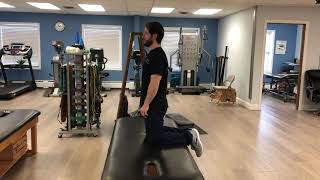
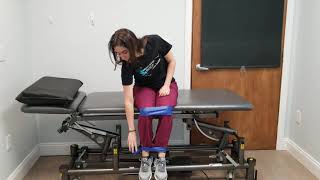
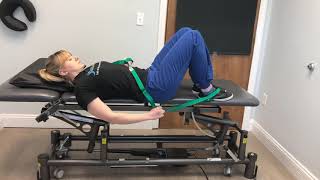
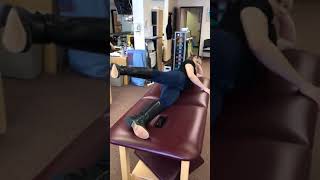
Exercises for Hips
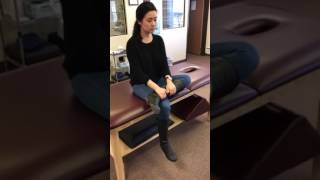
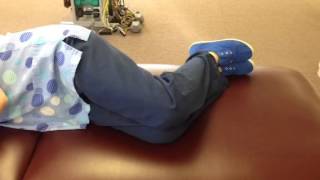
Knee Exercises
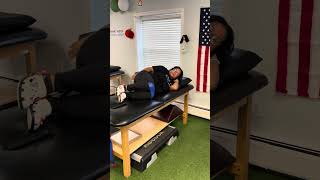
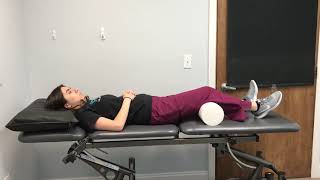
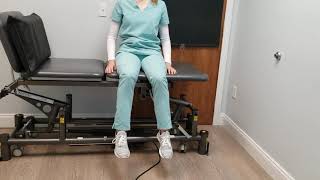
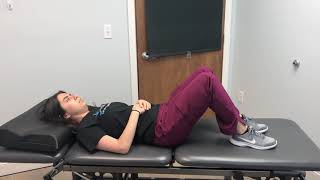
Hip & Knee Strengthening Exercises
Enter your information and sign up for a free screen today!
Free screens are 15 minute assessment to see if you are a candidate for physical therapy.